
Understanding How Each Steering System Works Helps You Make Safer, More Intelligent Decisions About Vehicle Maintenance and Repairs.
If you have ever experienced stiff turning, delayed steering response, or strange noises when turning the wheel, your vehicle’s power steering system may be trying to tell you something. For drivers in Vancouver, WA, knowing the difference between hydraulic power steering and electric power steering can save you time, money, and stress when scheduling power steering repair in Vancouver, WA. Both systems play a vital role in vehicle safety and handling, especially on wet, uneven roads familiar in Southwest Washington.
Understanding the Two Types of Power Steering Systems
Power steering allows drivers to turn the wheel with minimal effort. While hydraulic and electric power steering systems serve the same purpose, their internal components and maintenance requirements differ significantly. Understanding these differences will help you recognize steering problems early and know when it’s time to schedule power steering repair in Vancouver, WA.
Hydraulic Power Steering: How It Works
Hydraulic power steering is a proven technology found in many modern trucks and larger vehicles that require high levels of steering assist. This system uses hydraulic pressure created by a power steering pump, which is driven by the engine through a serpentine belt. The pump pushes power steering fluid through hoses into the steering gear or steering rack. That hydraulic pressure helps the wheels turn smoothly and reduces the physical effort needed from the driver.
A hydraulic power steering system relies on:
- A power steering pump
- Power steering fluid
- High- and low-pressure hoses
- Seals and valves
- A steering rack or steering gear
Because hydraulic systems require fluid to create pressure, they can develop leaks. They also require regular inspections and fluid flushes to prevent contamination and maintain hydraulic force.
Electric Power Steering: How It Works
Electric power steering is the modern alternative found in most newer vehicles. Instead of using hydraulic pressure, this system uses an electric motor that provides steering assistance. Sensors monitor how hard the driver turns the wheel and send that information to a control module, which tells the electric motor how much assist to provide.
Electric power steering relies on:
- An electric motor
- Steering angle sensors
- A control module
- Electrical wiring and connectors
- A steering rack
Because this type of system does not use fluid, it eliminates the risk of leaks and reduces maintenance needs. However, the electrical motor, sensors, or control module can fail over time, especially in damp and rainy climates like Vancouver, WA.
Common Misconceptions About Power Steering Systems
Many vehicle owners assume that electric power steering never needs repair because it has no fluid. While electric power steering eliminates fluid leaks, it still experiences failures involving wiring, the control module, and the electric motor itself.
On the other hand, some drivers believe hydraulic systems always fail suddenly. In reality, nearly all hydraulic steering problems give early warning signs such as whining noises, fluid drops, or stiff steering — and addressing these symptoms early can prevent expensive repairs.
Do You Need Power Steering Repair?
Don’t wait—Call us and see the difference professional care makes in your driving experience!
Why It’s Important to Understand Your Steering System
Power steering is one of the most critical safety systems in your vehicle. Responsive steering helps you avoid obstacles, navigate wet roads, and maintain complete control of your car. Whether your vehicle uses hydraulic or electric power steering, understanding how each system behaves helps you stay prepared — especially in the rainy climate of Southwest Washington.
Driving Safety in Southwest Washington
Vancouver experiences heavy rainfall, potholes, wet leaves, and uneven road conditions. These hazards require reliable steering performance, making it essential to stay ahead of any developing issues. If your steering system becomes weak or inconsistent, it becomes more difficult to react quickly in emergencies or on slippery surfaces — which is why timely professional power steering repair in Vancouver, WA is crucial for safe driving.
Maintenance Needs Differ Between the Two Systems
Hydraulic power steering systems require more frequent maintenance because the fluid degrades over time. Fluid contamination, moisture intrusion, and worn hoses are common issues that affect performance. Scheduling regular fluid flushes and inspections keeps the system operating smoothly.
Electric power steering requires fewer routine services but still needs periodic diagnostics. Warning lights, inconsistent steering assist, or unusual noises often indicate electrical faults, corroded connectors, or worn steering rack components.
Repair Costs Vary for Each System
Repair costs differ depending on whether your power steering is hydraulic or electric. Hydraulic failures may require replacing pumps, hoses, or the steering rack. Electric system repairs often involve diagnosing electronic sensors or replacing the electric motor.
Prices depend on the type of system, the severity of the problem, and current economic and material sourcing conditions. Early diagnosis helps prevent more expensive, larger repairs.
Your Driving Habits Affect Both Systems
City driving, stop-and-go traffic, frequent turning, and cold weather all put additional strain on steering components. Hydraulic pumps work harder in heavy traffic, while electric motors experience more load during slow-speed maneuvering and parking. Understanding these demands helps you schedule maintenance on time.
How to Maintain and Troubleshoot Hydraulic and Electric Power Steering Systems
Regular maintenance is essential for both types of power steering systems. Even though they work differently, both require professional inspection to stay reliable and safe. Here are the most important steps to ensure your system stays in excellent condition.
How to Maintain Hydraulic Power Steering Systems
Hydraulic systems are more sensitive to fluid quality, pressure, and seal integrity. Proper maintenance prevents leaks, overheating, and pump wear.
1. Check Your Power Steering Fluid Regularly
Your fluid should be clear, clean, and free of debris. Dark fluid, metal shavings, or burnt odors indicate contamination, which reduces the system’s hydraulic pressure and can damage the pump. If fluid levels drop, it often indicates a leak that requires immediate service.
2. Inspect for Fluid Leaks
Leaks commonly occur at pump seals, hoses, clamps, and steering rack seals. Even a small leak reduces hydraulic pressure, causing whining noises, stiff steering, and an uneven steering feel. Early leak detection helps prevent pump or rack failure.
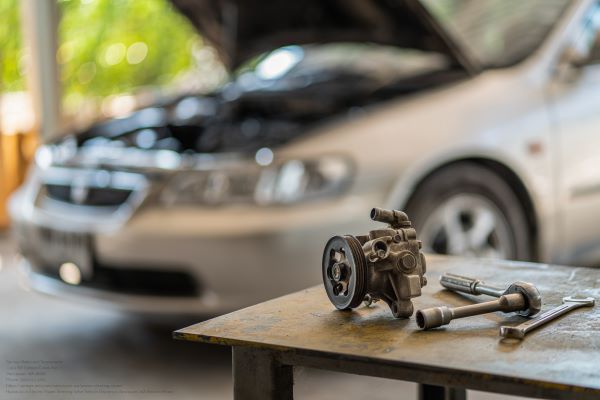
3. Maintain or Replace the Power Steering Pump
A failing pump produces groaning, whining, or squealing noises. It may also struggle to maintain pressure during sharp turns. Pumps naturally wear out over time and often require replacement to restore proper steering assist.
4. Inspect Hoses, Seals, and the Steering Rack
Hydraulic steering racks wear internally, especially in well-traveled modern vehicles that see frequent use on Vancouver roads. Damaged hoses or cracked seals can cause pressure drops, noisy operation, or inconsistent assist. Catching these issues early prevents more expensive damage.
How to Maintain Electric Power Steering Systems
Electric power steering systems don’t use fluid; they rely heavily on electronics and precise communication between sensors and the motor.
1. Pay Attention to Warning Lights
Many electric power steering issues trigger dashboard lights. These lights indicate sensor problems, control module faults, or electric motor issues. If the light appears, the system needs immediate diagnostics.
2. Watch for Intermittent Steering Assist
If the assist comes and goes or the steering suddenly becomes harder, there may be wiring corrosion, loose connections, or a failing electric motor. Moisture trapped in connectors is common in rainy climates like Vancouver.
3. Inspect the Steering Rack
Although electric power steering simplifies some components, the steering rack still experiences wear. Signs of rack problems include clunking noises, uneven steering response, or vibrations felt through the steering wheel.
When to Schedule Professional Power Steering Repair
Regardless of the type of system in your vehicle, schedule power steering repair in Vancouver, WA when you notice:
- Whining, groaning, buzzing, or squealing noises
- Stiff or delayed steering
- Inconsistent steering assist
- Warning lights related to steering
- Fluid spots under the vehicle
- Steering wheel vibrations
Springs Brake and Suspension specializes in accurately and efficiently diagnosing hydraulic and electric power steering systems. Our ASE-certified technicians ensure your vehicle receives the correct repair the first time.
Your Path to Smoother, Safer Steering Starts Here
Understanding the differences between hydraulic and electric power steering helps you recognize early signs of trouble, make informed decisions, and avoid costly repairs. Both systems are essential for your safety, and both require proper maintenance — especially on the wet, uneven roads familiar in Vancouver, WA. When your steering system begins showing symptoms, Springs Brake and Suspension is your trusted source for expert power steering repair in Vancouver, WA, ensuring your vehicle remains safe, responsive, and ready for every road ahead.
Other Automotive Repair Services We Provide
- Alignment Shop in Vancouver, WA: Professional wheel alignment services to ensure smooth handling, extended tire life, and proper steering response.
- Brake Repair in Vancouver, WA: Expert brake inspections, repairs, and replacements for reliable stopping power.
- Lift Kit Installation in Vancouver, WA: Professional lift and leveling kit installations for modern trucks and SUVs for enhanced performance and appearance.
- Suspension Service in Vancouver, WA: Comprehensive suspension inspections, shock replacements, and repairs to improve ride comfort and control.
Do You Need Power Steering Repair?
Don’t wait—Call us and see the difference professional care makes in your driving experience!
