
Professional Control Arm Replacement for Stable Steering and Suspension Performance
Control arm replacement is an important suspension repair for vehicle owners experiencing looseness, clunking, uneven tire wear, or changes in steering response. Springs Brake and Suspension inspects the suspension control arm, bushings, ball joint, and related components to determine whether replacement is necessary and which parts are actually causing the problem.
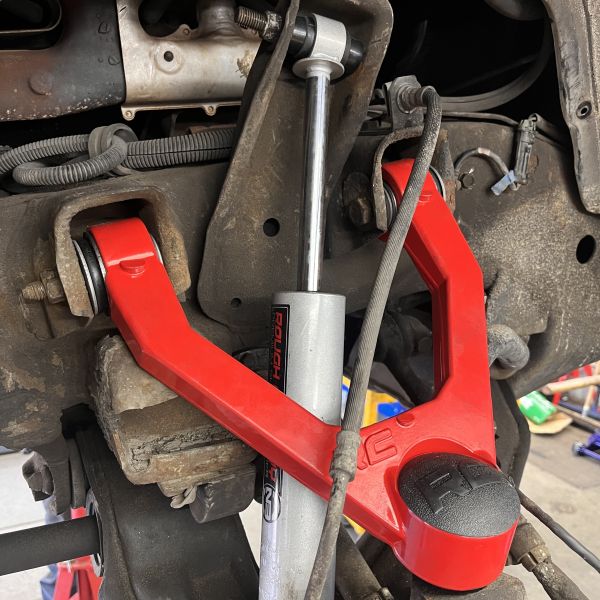
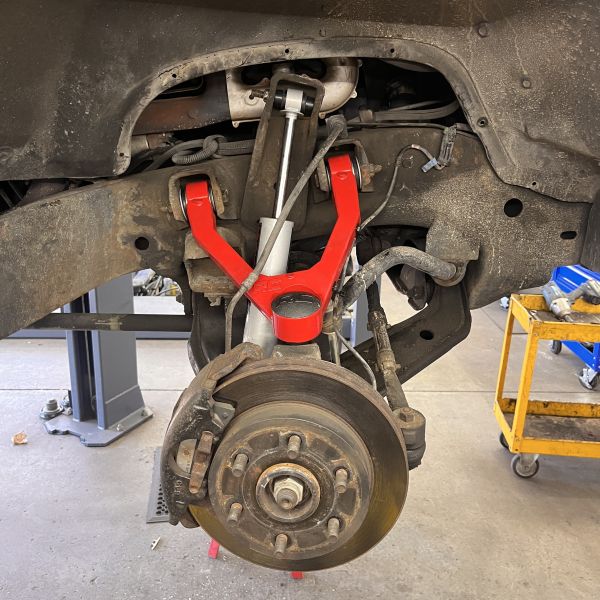
A control arm connects the wheel assembly to the vehicle’s structure while allowing controlled suspension movement. Depending on the vehicle design, the lower control arm may use rubber bushings, a separate ball joint, or an integrated joint. When these parts become worn or damaged, wheel position can change under braking, acceleration, or cornering.
Professional service matters because several steering and suspension problems can create similar symptoms. Accurate diagnosis helps avoid replacing a control arm when the actual concern involves a tie rod, wheel bearing, strut, tire, or another suspension component.
Don’t Wait!
Fix It Today, Drive Safe Tomorrow!
How Professional Control Arm Diagnosis Protects the Suspension System
A control arm does more than connect two parts of the suspension. Its bushings help isolate road vibration while allowing limited movement, and the ball joint permits steering and vertical suspension travel.
Technicians evaluate the complete suspension system before recommending replacement. Inspection may include:
- Control arm condition and mounting points
- Rubber bushing deterioration or separation
- Ball joint looseness or damage
- Bent, cracked, or impact-damaged components
- Tire wear patterns
- Steering and suspension play
- Related hardware and neighboring suspension parts
A torn bushing may allow excessive movement even when the metal arm is undamaged. Likewise, a loose ball joint can affect wheel control without obvious damage to the arm itself.
This condition-based approach is especially important for professional repair jobs because replacing one component without identifying related wear can leave the original handling concern unresolved.
Complete Control Arm Replacement Service
Lower Control Arm Inspection and Replacement
The lower control arm commonly helps position the wheel while allowing it to move vertically with the suspension. Wear may appear as deteriorated bushings, joint looseness, impact damage, or excessive movement at the mounting points.
When replacement is confirmed, Springs Brake and Suspension removes the worn assembly, inspects the mounting areas and hardware, and installs the replacement component according to the vehicle’s suspension design.
Proper installation helps restore predictable wheel movement, steering response, and ride comfort.
Ball Joint and Bushing Evaluation
Some control arm jobs involve assemblies with integrated ball joints or bushings. Others use separately serviceable components.
Technicians determine whether the entire arm requires replacement or whether the design allows an individual component to be serviced appropriately. The recommendation is based on part condition, vehicle design, and repair requirements rather than automatically replacing more components than necessary.
Alignment and Post-Repair Verification
Because the control arm influences wheel position, replacement can affect suspension geometry. A wheel alignment may be recommended after service depending on the vehicle design and repair performed.
Mechanical looseness should be corrected before final alignment measurements are made. The completed repair is then evaluated for steering response, component movement, ride height, and general road behavior.
Other Services We Offer!
Why Choose Springs Brake and Suspension for Control Arm Repair
Springs Brake and Suspension has provided automotive service since 2019. Its ASE Certified Technicians bring more than 45 years of combined experience to suspension repair, steering concerns, brake work, and related vehicle service.
Clients receive clear information about what was inspected, which component failed, and whether surrounding parts remain serviceable. Repair support includes:
- Same-day service when diagnosis, scheduling, repair complexity, and parts availability allow
- A 3-year or 36,000-mile parts and labor warranty
- Confidence Plus Nationwide Warranty coverage outside a 25-mile radius
- Financing through Klarna, Sunbit, and Affirm
- Repair recommendations based on confirmed inspection findings
The Reflector recognized Springs Brake and Suspension for Auto Repair in 2025 and 2026 and for Customer Service in 2025.
Contact Springs Brake and Suspension to schedule a control arm inspection and receive an estimate based on the actual condition of your suspension.
Control Arm Replacement Reviews
Here’s what our clients are saying about working with Springs Brake and Suspension.
Frequently Asked Questions About Control Arm Replacement
Common signs of a worn or damaged control arm include clunking over bumps, wandering, pulling, uneven tire wear, steering vibration, or movement during braking and acceleration.
The exact symptom depends on which part of the assembly is failing. A deteriorated bushing may allow the control arm to shift more than intended, while a loose ball joint can affect wheel positioning and steering movement.
These symptoms are not exclusive to control arms. Tie rods, struts, wheel bearings, tires, sway-bar links, and other suspension components can create similar noises or handling concerns.
That is why inspection is important before replacement. Springs Brake and Suspension checks the control arm, bushings, joints, mounting points, tire wear, and surrounding suspension components to identify the actual cause.
If the vehicle suddenly becomes unstable, develops severe steering looseness, or shows obvious wheel-position changes, it should be inspected promptly rather than driven until the condition becomes worse.
Whether a vehicle can continue to be driven depends on the severity and location of the wear. Mild bushing deterioration may initially produce noise or small changes in alignment, while a severely loose ball joint or damaged control arm can affect wheel control and create a much more serious safety concern.
Drivers should arrange an inspection when they notice clunking, wandering, pulling, uneven tire wear, or increased steering movement.
Continuing to drive with excessive suspension play can accelerate tire wear and place additional stress on other components. In severe cases, the wheel may no longer remain properly located relative to the vehicle’s structure.
Springs Brake and Suspension evaluates the condition and explains whether replacement should be scheduled or addressed immediately.
If the steering changes suddenly, the vehicle pulls sharply, the wheel appears out of position, or there is major instability, continued driving may not be appropriate until the suspension has been inspected.
A wheel alignment is commonly recommended after control arm replacement because the arm helps establish the wheel’s position within the suspension system.
Removing and reinstalling the arm can change camber, caster, or toe depending on the vehicle design. If those angles are outside specification, the vehicle may pull, track poorly, hold the steering wheel off-center, or wear the tires unevenly.
Alignment should be performed after mechanical looseness has been corrected. Trying to align a vehicle while a control arm bushing or ball joint still has excessive play can make accurate adjustments difficult or temporary.
Springs Brake and Suspension determines alignment needs based on the vehicle and repair performed. Technicians also inspect related steering and suspension components before final measurements are made.
This process helps ensure the completed control arm repair restores proper wheel positioning rather than addressing only the worn mechanical component.
Control arm replacement cost depends on the vehicle, which arm requires replacement, suspension design, parts configuration, labor requirements, and whether alignment or related repairs are needed.
Some vehicles use control arms with integrated ball joints and bushings, while others allow individual components to be serviced separately. This can significantly change both parts and labor costs.
Corroded or seized hardware may also increase repair time. Additional suspension components should only be recommended when inspection confirms they are worn or damaged.
Springs Brake and Suspension provides estimates after evaluating the vehicle and determining the actual repair scope. Qualifying repairs include a 3-year or 36,000-mile parts and labor warranty.
Financing through Klarna, Sunbit, and Affirm may also be available. An inspection-based estimate gives vehicle owners a more accurate picture than a broad advertised price that does not account for vehicle design or component condition.
Not always. Control arms should be replaced based on condition, vehicle design, and the reason for failure rather than automatically replacing both sides.
If one control arm was bent or damaged by an impact while the opposite side remains in good condition, replacing only the damaged assembly may be appropriate. On the other hand, if both sides have similar mileage and deteriorated bushings or joints, servicing them together may help restore more consistent suspension behavior.
Springs Brake and Suspension inspects both sides before recommending the repair scope. Technicians compare bushing condition, joint movement, mounting points, tire wear, and overall suspension response.
Replacing components based on actual wear helps avoid unnecessary control arm jobs while still addressing parts that are nearing failure.
After the repair, alignment may be recommended to verify wheel geometry and help protect tire wear and ride comfort.