
Professional Brake Pad Replacement for Safer, More Predictable Braking
Brake pad replacement is an essential maintenance service for drivers who want their vehicle’s brake system to respond consistently and safely. Springs Brake and Suspension replaces worn brake pads, inspects related braking components, and helps vehicle owners understand whether additional brake repair is actually necessary.
Brake pads use a specially formulated frictional material that presses against the brake rotor when the pedal is applied. That friction converts vehicle motion into heat and slows the wheels. As the pad material gradually wears away, braking performance can change and metal components may eventually make contact if replacement is delayed too long.
Professional service matters because the pads are only one part of the overall braking system. Uneven wear, damaged rotors, sticking hardware, contaminated friction surfaces, or low brake fluid can all influence braking behavior. A complete inspection helps identify the cause rather than simply replacing pads and assuming the problem is solved.
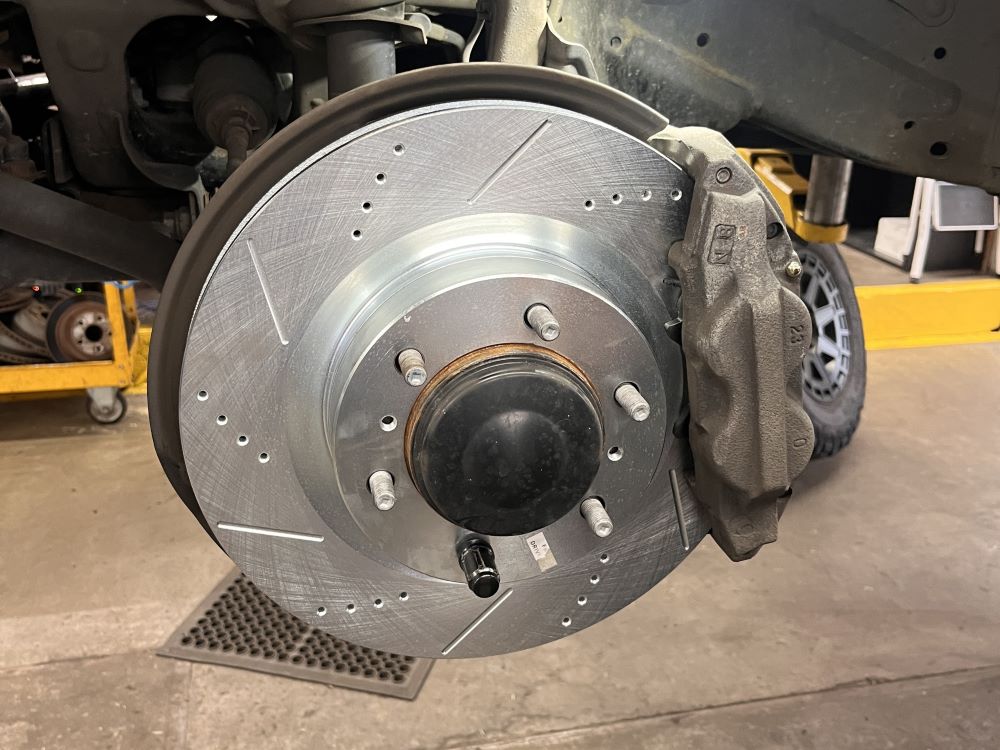
Don’t Wait!
Fix It Today, Drive Safe Tomorrow!
How Professional Brake Pad Service Protects the Braking System
Modern vehicles may use disc brakes, drum brakes, or a combination of both. Disc-brake systems typically use pads, calipers, and a brake disc or rotor, while drum brakes rely on shoes pressing against the inside of a drum.
During brake pad service, technicians evaluate the condition of the complete brake assembly. This includes checking pad thickness, wear patterns, rotor condition, caliper operation, related hardware, and visible fluid concerns.
Many brake pads include wear indicators designed to create noise as the friction material approaches its service limit. Other vehicles may use electronic wear sensors. Noise alone, however, does not determine exactly what needs replacement.
A professional inspection also looks for uneven pad wear. One pad wearing substantially faster than another can point to a caliper, slide, hardware, or other mechanical concern that should be addressed before new pads are installed.
Other Services We Offer!
Complete Brake Pad Replacement and Inspection
Brake Pad Condition and Wear Evaluation
The replacement process begins with measuring or evaluating remaining pad material and examining the wear pattern. Technicians determine whether the pads have reached their replacement point and check for glazing, cracking, contamination, or abnormal wear.
The condition of both sides of the axle matters because pads and related components work together to provide balanced braking.
Brake Rotor and Disc Inspection
New pads must operate against a suitable braking surface. The brake rotor is inspected for excessive wear, scoring, heat damage, irregular surfaces, and other conditions that could compromise the new pads.
A brake disc does not automatically require replacement every time pads are changed. Rotor service recommendations should be based on condition, measurements, vehicle specifications, and the requirements of the repair.
Hardware and Brake Assembly Evaluation
Caliper slides, mounting hardware, clips, and nearby brake components are inspected for wear, damage, or restricted movement. Properly functioning hardware helps the pads apply and release consistently.
Brake fluid condition or visible leakage may also warrant attention when relevant. Replacing pads alone will not correct a hydraulic problem within the braking system.
Professional Installation and Verification
Once the repair is approved, worn pads are removed and appropriate replacements are installed. Contact points, hardware, and related components are addressed according to the vehicle’s brake design.
After installation, the system is checked for proper operation and consistent pedal response before the vehicle returns to regular use.
Brake Repair Experience Backed by Proven Credentials
Springs Brake and Suspension has provided automotive service since 2019. Its ASE Certified Technicians bring more than 45 years of combined experience to brake repair, suspension work, steering concerns, and related vehicle maintenance.
Clients receive clear information about what was found, what requires replacement, and which components remain serviceable. Service support includes:
- Same-day service when diagnosis, scheduling, repair complexity, and parts availability allow
- A 3-year or 36,000-mile parts and labor warranty
- Confidence Plus Nationwide Warranty coverage outside a 25-mile radius
- Financing through Klarna, Sunbit, and Affirm
- Repair recommendations based on inspection findings rather than automatic component replacement
The Reflector recognized Springs Brake and Suspension for Auto Repair in 2025 and 2026 and for Customer Service in 2025.
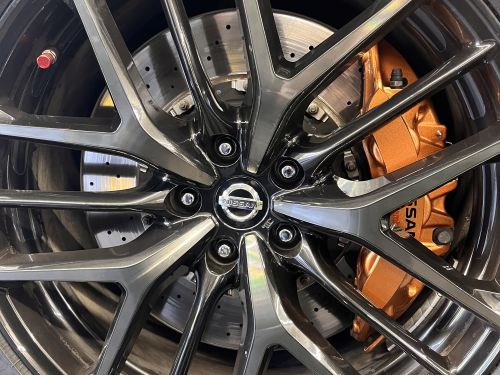
Contact Springs Brake and Suspension to schedule brake pad replacement and receive an inspection-based estimate for the braking service your vehicle actually needs.
Brake Pad Replacement Reviews
Here’s what our clients are saying about working with Springs Brake and Suspension.
Frequently Asked Questions About Brake Pad Replacement
Brake pads may need replacement when the friction material has worn to its service limit or when damage, contamination, or abnormal wear prevents the pads from operating correctly.
Common warning signs include squealing, grinding, increased stopping distance, vibration, a brake warning indicator, or a noticeable change in pedal response. Some pads have mechanical wear indicators that intentionally create a high-pitched sound as the material becomes thin. Other vehicles may use electronic sensors.
Noise should not be used as the only diagnosis. A small stone, surface rust, brake dust, rotor condition, or hardware problem can sometimes create noise even when the pads still have usable material.
Springs Brake and Suspension evaluates pad thickness, wear patterns, rotor condition, caliper movement, and related hardware before recommending replacement. An inspection is particularly important if braking behavior changes suddenly or if grinding begins, because continued driving may damage the rotor or other brake components.
No. Brake rotors do not automatically need replacement every time the brake pads are changed. The decision should be based on rotor condition, thickness, surface quality, runout or distortion when relevant, and the specifications for the vehicle.
A rotor may be suitable for continued service if it remains within specification and has an appropriate friction surface. Replacement may be recommended when the rotor is excessively worn, deeply scored, cracked, heat-damaged, significantly corroded, or otherwise unsuitable for new pads.
Installing new pads against a damaged brake disc can contribute to noise, vibration, uneven wear, or poor bedding of the friction surfaces.
Springs Brake and Suspension inspects the rotors as part of the brake repair process rather than assuming they must always be replaced. This condition-based approach helps clients understand exactly which parts are necessary and avoids adding components to the repair without supporting evidence.
Brake pad replacement cost varies according to the vehicle, axle being serviced, brake design, pad material, labor requirements, and condition of the related brake assembly.
A straightforward pad replacement may cost less than a repair involving worn rotors, damaged caliper hardware, seized components, or hydraulic problems. Some vehicles also use electronic parking-brake systems or other brake designs that affect the service procedure.
The quality and application of the replacement pad can influence price as well. Different vehicles may require different friction compounds to achieve the braking characteristics intended by the manufacturer.
Springs Brake and Suspension provides estimates based on inspection findings rather than giving every vehicle the same repair package. Clients are informed whether the pads alone require replacement or whether rotor, hardware, fluid, or other brake work is supported by the condition of the system.
Financing through Klarna, Sunbit, and Affirm may be available for qualifying repairs.
The time required for brake pad replacement depends on the vehicle, brake design, condition of the components, and whether additional repairs are identified during inspection.
A straightforward pad replacement can often be completed efficiently when the necessary parts are available and the brake hardware is in serviceable condition. More time may be required if rotors need attention, fasteners are seized, caliper components are damaged, or another braking-system problem must be corrected.
Springs Brake and Suspension offers same-day service when scheduling, diagnosis, repair complexity, and parts availability allow. Before work begins, technicians inspect the brake assembly and determine the actual repair scope.
When scheduling service, it is helpful to mention any squealing, grinding, vibration, warning lights, pulling, or changes in pedal feel. Those details can help guide the initial inspection, although the final recommendation should always be based on the physical condition and operation of the braking system.
A light squeal does not always mean the vehicle must immediately stop being driven, but it should be inspected. Squealing may come from wear indicators, pad material, surface conditions, hardware, or other brake-system factors.
Grinding is more concerning. It may indicate that the friction material has worn away enough for metal components to contact the brake rotor. Continued driving in that condition can damage the rotor, increase repair costs, and reduce braking performance.
Any sudden loss of braking effectiveness, severe pulling, unusually soft pedal, visible brake fluid leakage, or major change in stopping behavior should be treated as an urgent concern. If the vehicle does not feel safe to operate, it should not be driven until the braking system can be evaluated.
Springs Brake and Suspension can inspect the brake pads, rotors, calipers, hardware, and hydraulic components to determine the source and explain whether immediate brake repair is necessary.