
Professional Strut Replacement for Improved Ride and Handling
Strut replacement is an important suspension service for vehicle owners who notice a bumpier ride, excessive bouncing, unusual tire wear, or changes in vehicle handling. Springs Brake and Suspension inspects strut assemblies, related suspension components, and the overall suspension system to determine whether worn struts are responsible and what repair is actually needed.
Struts perform several jobs at once. They help control spring movement, support portions of the suspension, and contribute to consistent wheel positioning. When they wear, ride quality can decline gradually enough that drivers may not immediately realize how much the vehicle’s behavior has changed.
Professional service matters because problems attributed to shocks and struts can also originate from tires, springs, mounts, control arms, wheel bearings, or other suspension parts. A complete inspection helps identify the real source before parts are replaced.
Don’t Wait!
Fix It Today, Drive Safe Tomorrow!
How Professional Strut Diagnosis Protects the Suspension System
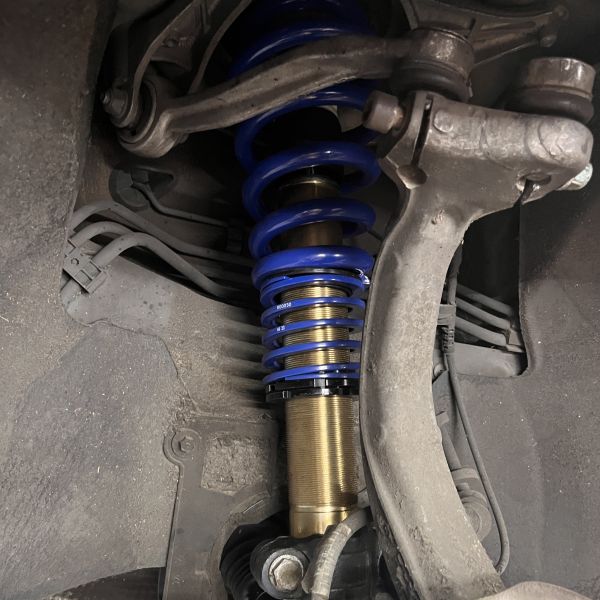
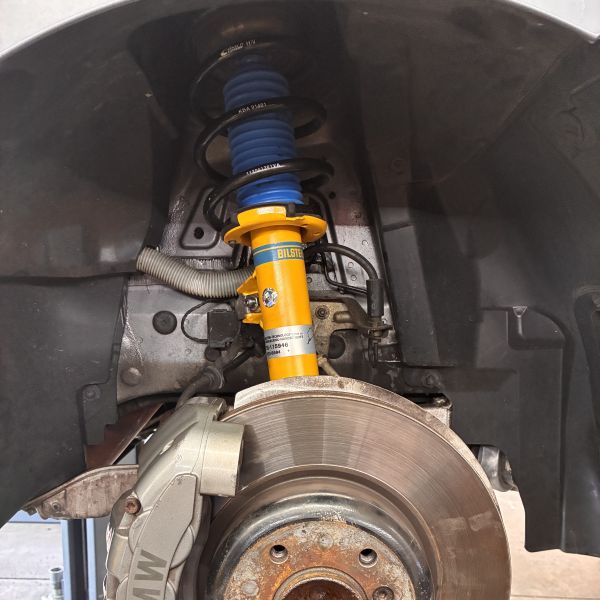
Struts are more complex than simple dampers. Depending on the vehicle design, strut components may include the strut body, coil spring, upper mount, bearing, protective boot, bump stop, and mounting hardware.
Technicians evaluate the complete assembly rather than judging the repair by one symptom. Inspection may include:
- Visible fluid leakage from the strut
- Excessive suspension movement
- Upper mount or bearing wear
- Coil spring condition
- Tire wear patterns
- Ride height differences
- Loose or damaged mounting hardware
- Nearby steering and suspension components
A leaking strut may require replacement, but a dry strut can also lose damping performance internally. Likewise, a clunk may come from an upper mount rather than the strut itself.
This diagnostic approach helps prevent incomplete suspension repairs and gives vehicle owners a clearer understanding of what is worn and what remains serviceable.
Complete Strut Replacement Service
Strut Assembly Inspection and Repair Planning
The replacement process begins with confirming that the strut is actually causing the problem. Springs Brake and Suspension evaluates ride behavior, component condition, and related suspension concerns before approving replacement.
If the vehicle continues bouncing after bumps, leans excessively through corners, or dives noticeably during braking, worn struts may be contributing to poor ride and handling. However, those symptoms are considered alongside the condition of springs, tires, mounts, and steering components.
Removal and Installation of Replacement Struts
Once replacement is approved, the suspension is safely supported and the worn assembly is removed according to the vehicle’s design.
Some strut assemblies contain compressed coil springs that store considerable energy. Professional handling and appropriate equipment are important during disassembly and installation.
Mounting areas and reusable components are inspected before replacement struts are installed. Proper positioning and secure attachment help restore predictable suspension movement.
Post-Repair Suspension and Handling Check
After installation, technicians evaluate suspension movement, ride height, steering response, and component positioning.
Strut replacement can influence wheel geometry depending on vehicle design, so wheel alignment may be recommended after the mechanical repair.
The objective is not simply to create a firmer ride. Proper repair should improve ride quality, reduce uncontrolled body movement, and support more predictable vehicle handling.
Other Services We Offer!
Why Choose Springs Brake and Suspension for Strut Replacement
Springs Brake and Suspension has provided automotive service since 2019. Its ASE Certified Technicians bring more than 45 years of combined experience to suspension work, brake repair, steering concerns, and related vehicle maintenance.
Clients receive clear explanations about what was inspected, what failed, and whether surrounding components remain usable. Service support includes:
- Same-day service when diagnosis, scheduling, repair complexity, and parts availability allow
- A 3-year or 36,000-mile parts and labor warranty
- Confidence Plus Nationwide Warranty coverage outside a 25-mile radius
- Financing through Klarna, Sunbit, and Affirm
- Repair recommendations based on actual inspection findings
The Reflector recognized Springs Brake and Suspension for Auto Repair in 2025 and 2026 and for Customer Service in 2025.
Rather than treating every rough ride as an automatic strut replacement, the team focuses on condition-based recommendations and repair transparency. Call us to schedule a suspension inspection and receive an estimate based on what your vehicle actually needs.
Strut Replacement Reviews
Here’s what our clients are saying about working with Springs Brake and Suspension.
Frequently Asked Questions About Strut Replacement
Common signs of worn struts include excessive bouncing, increased body roll, front-end dive during braking, uneven tire wear, fluid leakage, clunking near the upper suspension area, or a noticeable decline in ride quality.
A vehicle may also feel less settled at higher speeds or require more steering correction after hitting bumps.
These symptoms do not automatically prove that the struts have failed. Tires, springs, wheel bearings, control arms, mounts, and other suspension components can create similar behavior.
Springs Brake and Suspension evaluates the full suspension system before recommending replacement. Technicians look at component movement, strut condition, tire wear, mounts, springs, and nearby steering parts.
That inspection matters because replacing struts will not correct a problem caused by another suspension component. The goal is to identify the actual source of the poor ride or handling concern and recommend the repair supported by the vehicle’s condition.
Struts are commonly replaced in pairs on the same axle because the left and right sides work together to control suspension movement.
If one strut is new and the opposite side is significantly worn, the vehicle may have inconsistent damping from side to side. That difference can affect ride comfort, cornering behavior, and how the vehicle responds during braking.
However, replacing one strut does not automatically mean all four suspension corners require service. Some vehicles use front struts and rear shock absorbers, and component condition can differ between axles.
There are also situations where one strut is damaged by a specific impact while the opposite side remains serviceable.
Springs Brake and Suspension evaluates both sides and recommends replacement based on component condition, vehicle design, mileage, and repair requirements. A condition-based recommendation helps maintain balanced suspension performance without replacing parts that do not need service.
Strut replacement cost varies according to the vehicle, suspension design, number of struts being replaced, parts configuration, labor requirements, and condition of related components.
Some vehicles use complete strut assemblies, while others require individual springs, mounts, bearings, or hardware to be inspected and transferred or replaced. Seized fasteners, damaged mounts, broken springs, or other suspension problems can also increase the repair scope.
Wheel alignment may be recommended after replacement depending on the vehicle design, which can also affect the total cost.
Springs Brake and Suspension provides estimates after inspecting the vehicle and confirming what work is actually necessary. Qualifying repairs include a 3-year or 36,000-mile parts and labor warranty.
Financing through Klarna, Sunbit, and Affirm may also be available. An inspection-based estimate is more useful than a generalized price that does not account for the vehicle’s specific suspension configuration.
The answer depends on how badly the struts are worn and how the vehicle is behaving.
Mild deterioration may initially appear as reduced ride comfort or extra body movement. More advanced wear can contribute to excessive bouncing, increased braking dive, poor cornering stability, unusual tire wear, and less predictable wheel control.
Worn struts do not usually mean the vehicle will immediately become undrivable, but allowing suspension performance to continue deteriorating can affect other components and reduce driving confidence.
If the vehicle suddenly develops severe instability, a major ride-height change, loud suspension noise, or significant steering changes, it should be inspected promptly.
Springs Brake and Suspension can determine whether the struts require immediate replacement or whether the condition can be scheduled. The recommendation is based on inspection findings rather than mileage alone, because driving conditions and suspension designs vary widely between vehicles.
A wheel alignment is often recommended after strut replacement because the strut may influence wheel position within the suspension system.
Removing and installing the assembly can affect camber, caster, or toe depending on the vehicle design. If the wheels are left outside specification, the vehicle may pull, track poorly, hold the steering wheel off-center, or develop uneven tire wear.
Alignment should be performed after mechanical suspension problems are corrected. Trying to align a vehicle while another component still has excessive movement can make the adjustment inaccurate or short-lived.
Springs Brake and Suspension evaluates alignment needs based on the vehicle and the repair performed. Technicians also check nearby steering and suspension components before final measurements are made.
Completing the repair in the correct sequence helps the new struts support proper ride and handling while protecting the tires from unnecessary wear.