
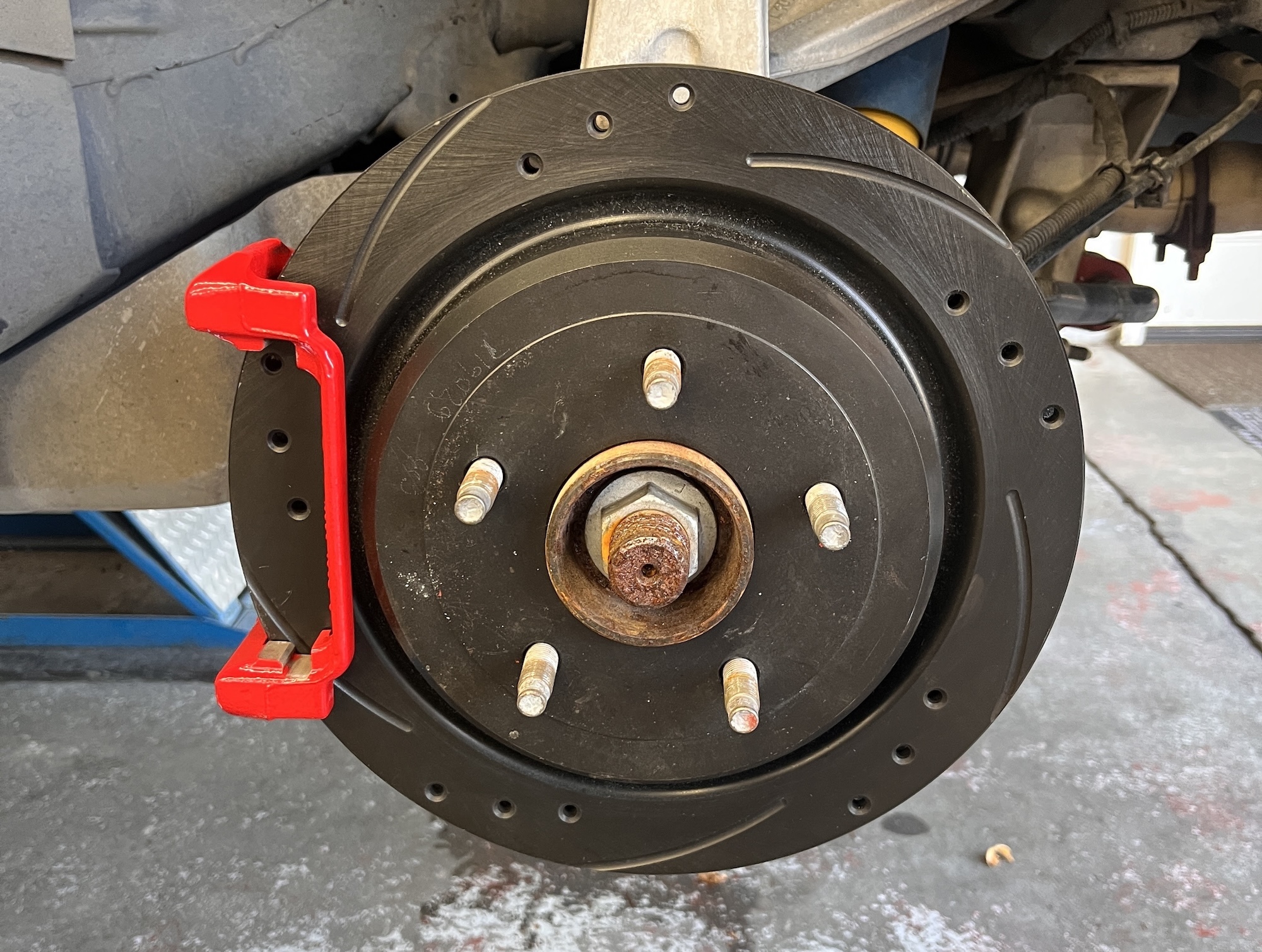
Why a Soft Brake Pedal Should Never Be Ignored
A soft brake pedal can make even a short drive feel uncertain. When your brake pedal feels spongy, sinks lower than usual, or does not respond with firm pressure, it may be a sign that your braking system needs immediate attention. For drivers looking for dependable brake repair in Vancouver, WA, Springs Brake and Suspension provides professional brake inspections, brake repair services, and complete brake solutions designed to keep your vehicle safe and reliable.
Your braking system is one of the most important safety systems in your vehicle. When it feels different, the issue should never be brushed aside. A soft brake pedal can point to brake fluid problems, worn brake components, brake caliper concerns, or other issues that affect stopping power. In this blog, we will explain what causes a soft brake pedal, how technicians diagnose the problem, and how professional brake repair helps restore safe braking performance.
Understanding What a Soft Brake Pedal Means
A brake pedal should feel firm and predictable when you apply pressure. While every vehicle feels slightly different, most drivers become familiar with how their brakes normally respond. When that response changes, it is usually a sign that something within the braking system is not working as intended.
A soft brake pedal may feel spongy, weak, or slow to respond. In some cases, the pedal may travel farther than usual before the vehicle begins slowing down. In other situations, the pedal may feel inconsistent, making it harder to judge stopping distance. These symptoms can be especially concerning in traffic, during sudden stops, or when driving in wet conditions.
At Springs Brake and Suspension, our qualified technicians take soft brake pedal concerns seriously because they can affect braking efficiency and overall vehicle safety. Professional brake repair in Vancouver, WA, begins with a detailed inspection to determine what part of the braking system is causing the problem.
Why Brake Pedal Feel Matters
The brake pedal feel gives the driver important feedback. When the braking system is working correctly, the pedal transfers pressure smoothly and consistently. If the pedal feels soft, that pressure may not be transferring properly through the system.
Because your brakes rely on multiple connected components, a soft pedal can have more than one cause. Brake fluid condition, caliper performance, brake pads, rotors, ABS components, and other braking parts may all influence how the pedal feels. A professional brake inspection helps separate minor concerns from more serious repair needs.
Common Causes of a Soft Brake Pedal
A soft brake pedal does not always come from one specific part. It can develop from wear, moisture, leaks, or component failure within the braking system. Understanding the most common causes can help drivers know when to schedule brake service.
Brake Fluid Problems
Brake fluid plays a critical role in transferring pedal pressure into stopping force. Over time, brake fluid can absorb moisture. When moisture enters the system, braking performance may decrease, and internal components can become more vulnerable to corrosion.
A brake fluid flush is often recommended as part of regular maintenance because old or contaminated brake fluid can affect pedal feel. If the fluid is no longer performing properly, the pedal may feel soft or less responsive. Springs Brake and Suspension offers brake fluid flush services to help maintain proper braking system performance.
Leaking Brake Fluid
Leaking fluid is one of the warning signs listed by Springs Brake and Suspension for potential brake issues. If brake fluid escapes from the system, hydraulic pressure can drop. Without enough pressure, the brake pedal may feel soft or sink farther than normal.
Leaks should be inspected immediately because they can reduce stopping power and create unsafe driving conditions. A technician can inspect the braking system, identify the source of the leak, and recommend the proper repair.
Worn Brake Pads and Rotors
Worn brake pads are one of the most common brake repair concerns. As brake pads wear down, stopping power can decrease, and additional stress may be placed on the rotors. In some cases, worn pads and affected rotors may contribute to changes in pedal feel or overall braking response.
At Springs Brake and Suspension, technicians carefully assess brake pads and rotors to determine whether replacement or resurfacing is needed. Pad and rotor replacement helps restore reliable braking performance when wear has reduced effectiveness.
Brake Caliper Issues
Brake calipers are responsible for squeezing the brake pads against the rotors to create friction. If a caliper seizes, leaks, or does not apply pressure evenly, braking performance can suffer. This may create uneven braking, decreased stopping power, or unusual pedal response.
Professional caliper repairs can restore the proper function of the braking system. Because calipers are essential to disc brakes, they should be inspected whenever the brake pedal feels soft, uneven, or unreliable.
ABS Pump Concerns
Vehicles equipped with an Anti-lock Brake System rely on the ABS pump to help maintain control during certain braking situations. If the ABS pump develops problems, braking performance may be affected, especially during emergency stops.
Springs Brake and Suspension can run diagnostics and replace faulty ABS pumps when necessary. A dashboard light may also appear when the system detects a problem, making it important to schedule a professional inspection.
Read more about dependable brake repair in Vancouver, WA
Do You Need Brake Repair or Maintenance Service?
Don’t wait—schedule your brake service appointment today!
Why a Soft Brake Pedal Can Affect Safety
A soft brake pedal can reduce driver confidence and increase stopping distance. Even if the vehicle still stops, the brakes may not respond as quickly or firmly as they should. This can create unnecessary risk, especially when traffic conditions change suddenly.
Increased Stopping Distance
One of the warning signs of brake problems is increased stopping distance. If the pedal feels soft and the vehicle takes longer to stop, the braking system may not be delivering full stopping power. This can make everyday driving more stressful and emergency braking more dangerous.
Drivers should never wait until the brakes fail completely before scheduling brake repair in Vancouver, WA. Early inspection helps identify the cause and prevent the issue from becoming more serious.
Unpredictable Braking Response
A healthy braking system should respond consistently. If the brake pedal feels different from one stop to the next, the driver may have difficulty predicting how the vehicle will behave. This inconsistency can affect safe driving and make the vehicle harder to control.
Professional brake inspections help restore confidence by identifying worn, leaking, or malfunctioning parts that may be causing the soft pedal.
Damage to Other Brake Components
Ignoring brake issues can lead to additional damage. Worn brake pads can affect rotors. Moisture-contaminated brake fluid can contribute to corrosion. Caliper issues can create uneven wear and reduced braking performance.
Timely brake repair helps protect the overall braking system and may prevent more extensive service needs later.
How Technicians Diagnose a Soft Brake Pedal
Repairing a soft brake pedal starts with a proper diagnosis. Because multiple components can contribute to the issue, technicians must inspect the system carefully before recommending repairs.
At Springs Brake and Suspension, brake inspections are designed to evaluate the condition of key braking components and identify the cause of the problem. The process may include reviewing pedal feel, checking brake fluid condition, inspecting pads and rotors, evaluating calipers, looking for leaks, and running diagnostics when ABS issues are suspected.
A careful inspection allows technicians to determine whether the issue is related to brake fluid, worn components, leaks, calipers, or another part of the braking system. This approach helps ensure that repairs are tailored to the actual condition of the vehicle.
How a Soft Brake Pedal Is Repaired
The correct repair depends on the cause of the soft pedal. Some vehicles may need a brake fluid flush, while others may require pad and rotor replacement, caliper repairs, or ABS pump replacement.
Brake Fluid Flush
If the brake fluid has absorbed moisture or is no longer performing properly, a brake fluid flush may be recommended. This service helps restore proper fluid condition and supports better braking system performance. Regular brake fluid service can also help protect brake components from moisture-related concerns.
Pad and Rotor Replacement
If worn brake pads or damaged rotors are contributing to poor braking performance, replacement or resurfacing may be necessary. Springs Brake and Suspension provides pad and rotor replacement to help restore stopping power and reduce damage to related components.
Caliper Repair or Replacement
If a caliper has seized, developed a leak, or is applying uneven pressure, technicians may service or replace the caliper. Proper caliper function is essential because calipers create the friction needed to slow the vehicle.
ABS Pump Replacement
If diagnostics show that the ABS pump is faulty, replacement may be required to restore proper system function. This is especially important for vehicles that rely on ABS during emergency stops or challenging road conditions.
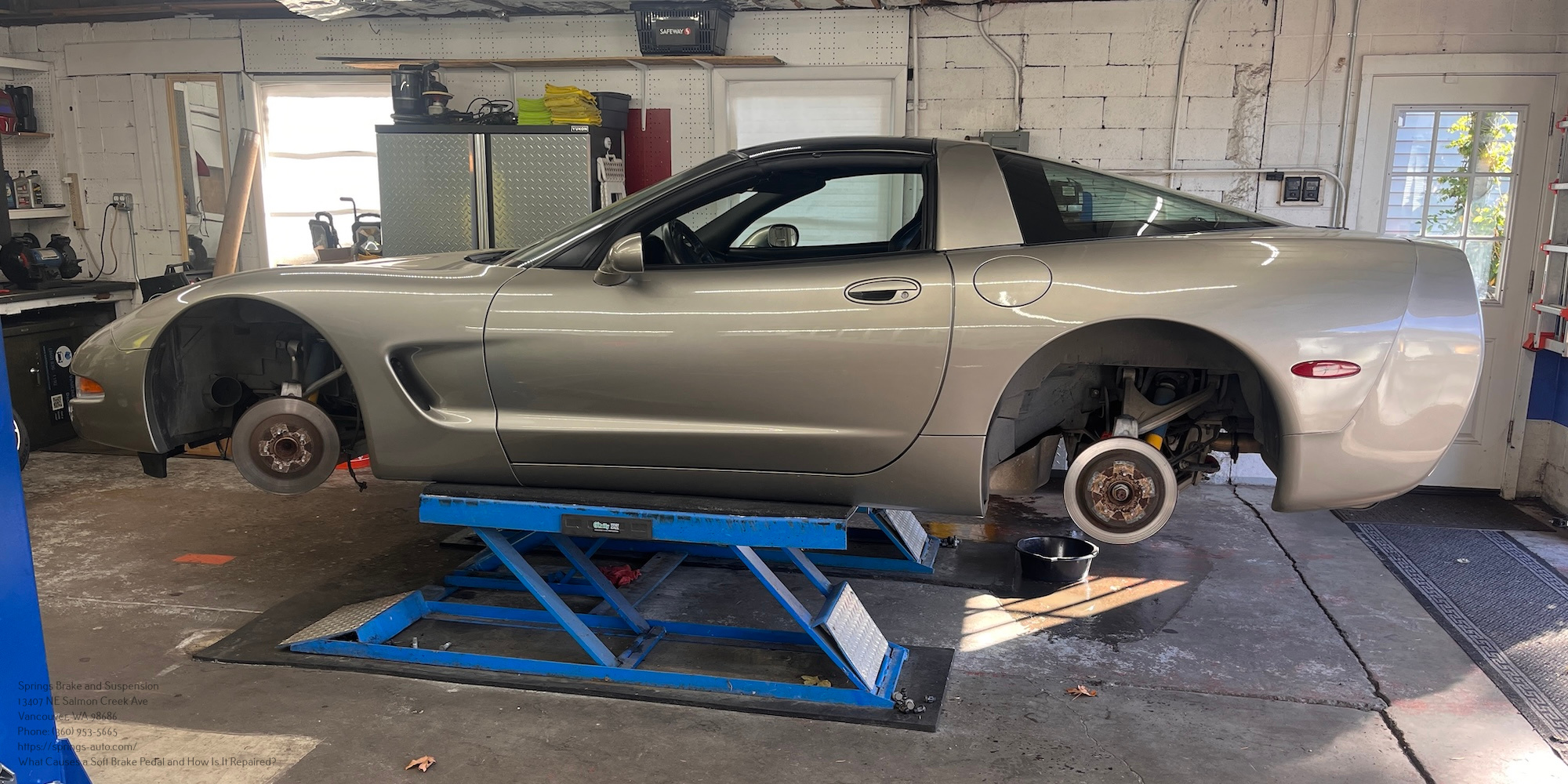
Best Practices for Preventing Brake Pedal Problems
Brake problems are easier to manage when they are caught early. Springs Brake and Suspension recommends having brakes inspected at least once a year or every 12,000 miles, depending on driving habits. For many drivers, this routine schedule helps identify worn parts, fluid concerns, and other brake issues before they affect safety.
Drivers should also pay attention to warning signs such as squeaking, squealing, grinding, clicking, dashboard lights, increased stopping distance, pedal pulsation, vibration, a burning smell, leaking fluid, or a vehicle pulling to one side when stopping. These symptoms can indicate that the braking system needs professional attention.
A soft brake pedal should always be treated as a reason to schedule brake repair in Vancouver, WA. Even if the vehicle still stops, the change in pedal feel can indicate that the braking system is no longer performing at its best.
Why Drivers Choose Springs Brake and Suspension
Springs Brake and Suspension is a trusted local shop for brake repair in Vancouver, WA. Our team of qualified technicians provides professional, personable service with a focus on safety, performance, and customer satisfaction.
We specialize in comprehensive brake repair services, including brake inspections, pad and rotor replacement, brake fluid flushes, ABS pump replacement, and caliper repairs. We also provide alignment shop services, lift kit installation, power steering repair, and suspension service to help vehicles operate safely and efficiently.
Our shop offers a 3-year/36,000-mile warranty on parts and labor, giving drivers added confidence in the work performed. Whether you need a brake inspection or a complete brake repair service, Springs Brake and Suspension is committed to delivering quality workmanship and dependable care.
Restore Firm, Reliable Brake Performance
A soft brake pedal is more than an inconvenience. It can signal brake fluid problems, worn brake pads, caliper issues, ABS concerns, or other braking system problems that affect stopping power. Addressing the issue early helps protect your vehicle, your passengers, and your peace of mind.
If your brake pedal feels soft, spongy, or inconsistent, do not wait for the issue to get worse. Contact Springs Brake and Suspension today for professional brake repair in Vancouver, WA, and let our experienced technicians inspect, diagnose, and repair your braking system with care.
For reliable brake repair in Vancouver, WA, trust Springs Brake and Suspension to help keep your vehicle safe, responsive, and ready for the road.
dependable brake repair near me in Vancouver, WA
Auto Repair Services We Provide
- Alignment Shop in Vancouver, WA: Professional wheel alignment services to ensure smooth handling, extended tire life, and proper steering response.
- Lift Kit Installation in Vancouver, WA: Professional lift and leveling kit installations designed for modern trucks and SUVs to enhance off-road capability and utility.
- Power Steering Repair in Vancouver, WA: Professional power steering diagnostics and repairs to restore smooth, responsive steering and safe vehicle control.
- Suspension Service in Vancouver, WA: Professional suspension diagnostics and repairs to restore ride comfort, improve stability, and ensure safe, controlled handling on every drive.
Do You Need Brake Repair or Maintenance Service?
Don’t wait—schedule your brake service appointment today!
