
Why Highway-Speed Braking Can Reveal Problems That Stay Hidden During Slower Driving
A vehicle that feels smooth during normal driving but begins shaking when the brakes are applied at higher speeds is giving you an important warning. The vibration may be felt through the brake pedal, steering wheel, or vehicle body, and it can become more noticeable when slowing down from highway speeds. Professional brake repair in Vancouver, WA can identify whether the shaking is connected to worn brake pads, uneven brake rotors, caliper problems, or concerns involving the steering or suspension. Springs Brake and Suspension carefully evaluates these connected systems to determine what is affecting your vehicle’s braking performance.
High-speed braking places greater demand on the braking system than slowing down in routine city traffic. When brake components are worn or no longer working evenly, the added force can make the problem easier to feel. A small amount of pedal pulsation at lower speeds may become a noticeable vibration during a faster stop. The vehicle may also pull to one side, require more distance to stop, or feel less stable than usual.
Although shaking during braking often points toward the brake pads and rotors, the cause should not be assumed without an inspection. Steering and suspension problems can influence how vibration travels through the vehicle, while a faulty brake caliper or ABS pump can affect how braking force is applied. Springs Brake and Suspension provides customized, personable service to identify the source of the problem and recommend the appropriate repair.
Why the Shaking May Only Appear at Higher Speeds
The braking system converts the vehicle’s movement into friction that slows the wheels. In a disc braking system, the caliper presses the brake pads against the rotor. This contact must remain consistent for the vehicle to slow smoothly.
At lower speeds, a minor problem may not create enough force to cause a noticeable shake. When the vehicle is traveling faster, the brakes must work harder to reduce its speed. Any uneven contact between the brake pads and rotors may become much easier to detect.
The shaking may feel sudden, but the underlying issue can develop gradually. Brake pads wear down with use, rotors can become damaged, and calipers may seize or leak. Regular brake service helps identify these conditions before they begin affecting stopping power and driving comfort.
High-Speed Stops Place More Demand on Brake Components
Bringing a vehicle down from highway speed creates more friction than stopping during slow neighborhood driving. The brake pads press against the rotors with enough force to reduce the vehicle’s momentum, making inconsistencies within the braking system more noticeable.
If the rotors no longer provide an even surface, the brake pads may not maintain smooth contact during the stop. This can create pedal pulsation, vibration, or wobbling that increases as braking pressure is applied. The shaking may then decrease or disappear when the driver releases the brake pedal.
A vehicle that only shakes while braking should still be inspected promptly. The fact that it drives smoothly when the brakes are not being used does not mean the braking system is operating correctly.
The Location of the Vibration Can Offer Useful Clues
Drivers may feel the vibration in different parts of the vehicle. A pulsing brake pedal suggests that braking force is not being applied smoothly. Shaking in the steering wheel may indicate that the vibration is moving through the front braking, steering, or suspension components. Movement through the seat or vehicle body may suggest that the concern is affecting a different area.
These sensations provide useful information, but they do not replace a professional brake inspection. Several components can create similar symptoms, and more than one issue may be present at the same time.
When scheduling brake repair in Vancouver, WA, explain when the shaking begins, where you feel it, and whether the vehicle pulls during braking. These details can help the technicians understand the condition before evaluating the system.
Do You Need Brake Repair or Maintenance Service?
Don’t wait—schedule your brake service appointment today!
Uneven or Worn Brake Rotors Are a Common Cause
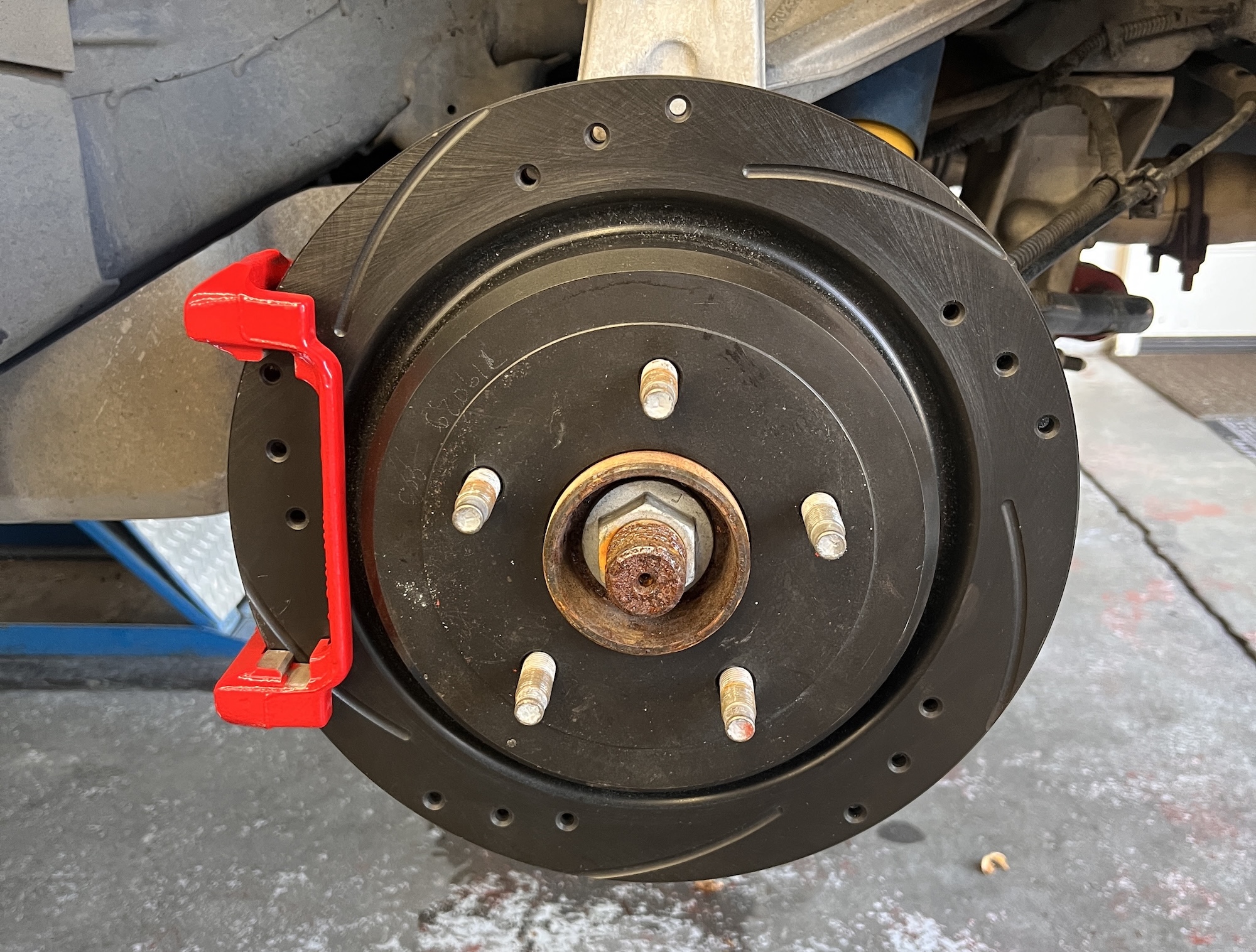
Brake rotors provide the surface against which the pads create friction. When that surface becomes worn or damaged, the pads may not contact it consistently. The result can be a pulsing sensation that becomes especially noticeable when braking at high speeds.
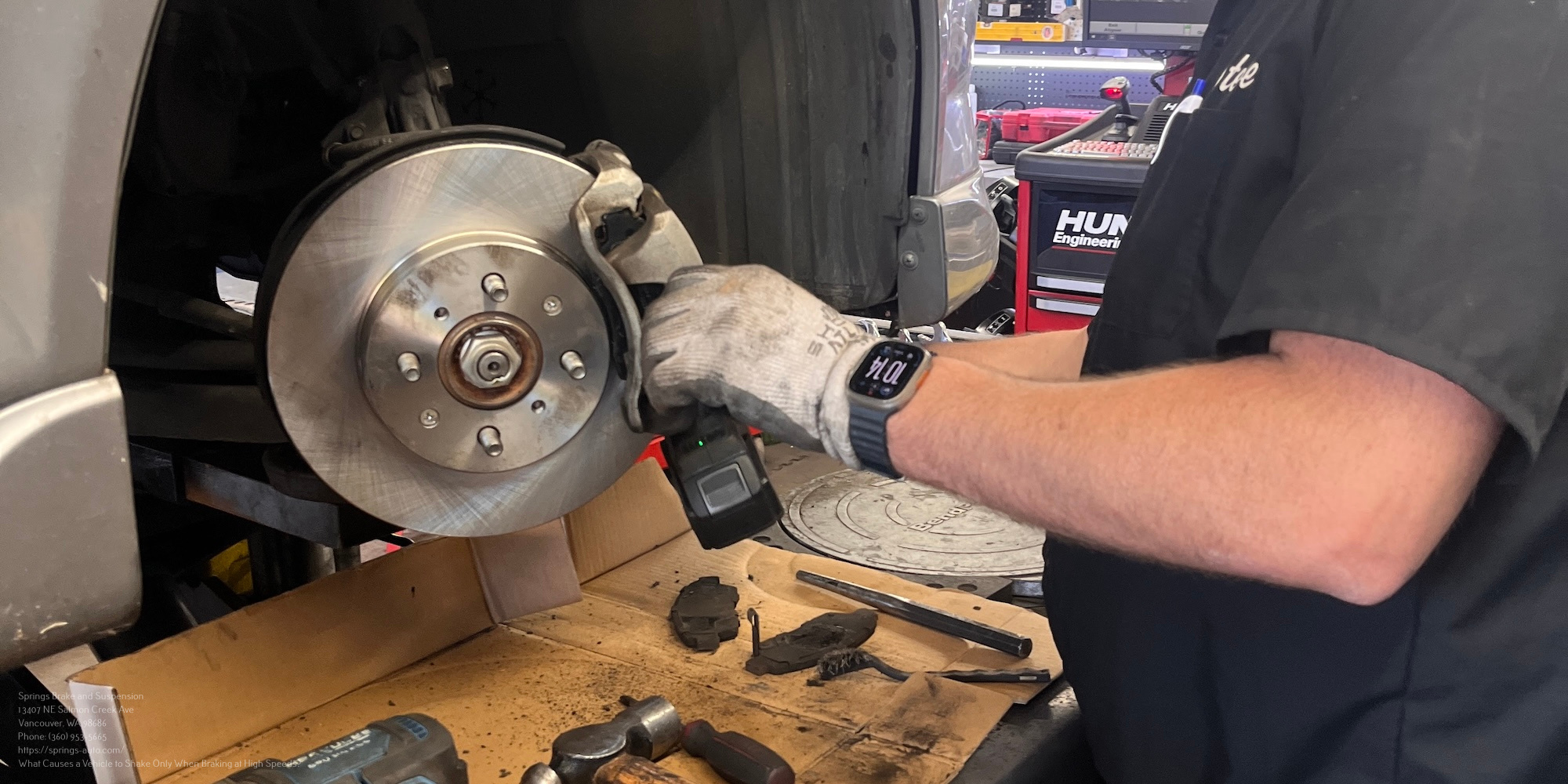
Pad and rotor replacement is one of the most common brake repairs performed at Springs Brake and Suspension. The technicians assess the condition of both components before recommending replacement or rotor resurfacing. Evaluating the pads and rotors together is important because worn pads may damage the rotors, while damaged rotors can affect how new pads perform.
How Rotor Problems Create Pulsation
A smooth rotor allows the brake pad to apply relatively even pressure as the wheel turns. If the rotor surface is no longer consistent, the pad may move slightly as it passes over the uneven area. That repeated movement can be felt as pulsation or vibration.
At slower speeds, this may feel like a mild movement in the brake pedal. At higher speeds, the same inconsistency occurs more rapidly and with greater braking demand, producing stronger shaking.
Continuing to drive with the problem may place additional stress on other brake components. A professional inspection can determine whether resurfacing is appropriate or whether rotor replacement is needed.
Worn Brake Pads Can Affect Rotor Condition
Brake pads gradually wear as they create friction against the rotors. Once they become too worn, stopping power can decrease, and the rotors may be damaged.
High-speed braking can make this reduced performance more obvious. The vehicle may shake, take longer to stop, or produce squeaking, squealing, grinding, or clicking noises. These symptoms should not be ignored, especially when they appear together.
Springs Brake and Suspension provides a no-cost brake inspection, allowing drivers to have the pads, rotors, and related brake components evaluated before agreeing to repairs.
Brake Caliper Problems Can Cause Uneven Braking
Brake calipers are responsible for squeezing the brake pads against the rotors. If a caliper seizes, develops a leak, or fails to apply pressure evenly, one wheel may respond differently from another during braking.
Uneven caliper performance can cause vibration, pulling, and reduced braking effectiveness. These symptoms may become more noticeable during high-speed stops because the braking system is working under greater demand.
A Seized Caliper Can Affect One Side of the Vehicle
When one caliper does not move correctly, the brake pads may remain too close to the rotor or may not apply pressure as intended. This can create uneven braking between the wheels.
The driver may notice that the vehicle pulls to one side when stopping. There may also be a burning smell, unusual noise, or vibration. Because these signs may indicate a serious brake issue, the vehicle should be inspected before the condition worsens.
Springs Brake and Suspension can service or replace faulty calipers to restore more consistent braking performance.
Leaking Calipers Can Reduce Braking Effectiveness
A caliper leak can affect the hydraulic pressure required for braking. Drivers may notice leaking fluid, a soft brake pedal, increased stopping distance, or inconsistent braking.
If a leak occurs alongside worn rotors or pads, the vehicle may display several symptoms at once. This is one reason an inspection should evaluate the complete braking system rather than focusing only on the vibration.
Professional brake repair in Vancouver, WA, can identify whether the shaking is being caused by the rotor surface, caliper operation, brake fluid condition, or a combination of concerns.
Brake Fluid and Hydraulic Performance Matter
Brake fluid transfers pressure through the braking system when the pedal is pressed. Over time, the fluid can absorb moisture, which may reduce braking performance and contribute to corrosion of brake system components.
A brake fluid flush is an important part of maintaining the system. While old fluid may not be the only cause of shaking, hydraulic concerns can affect how evenly and effectively the brakes respond.
A Soft Pedal May Accompany High-Speed Vibration
A spongy or soft brake pedal indicates that the braking system is not responding as firmly as expected. If the vehicle also shakes during braking, multiple components may need attention.
The pedal should feel predictable whenever the brakes are applied. Changes in firmness, travel, or pulsation deserve a professional brake check. Springs Brake and Suspension evaluates brake fluid and related components when diagnosing braking concerns.
Brake Fluid Maintenance Supports Reliable Performance
Routine maintenance helps keep the braking system in better condition. Springs Brake and Suspension recommends having the brakes inspected at least once a year or every 12,000 miles, depending on driving habits.
This schedule gives technicians an opportunity to identify worn pads, rotor concerns, leaks, or fluid problems before they cause more noticeable symptoms. Drivers who regularly travel at higher speeds may become aware of braking vibration earlier because those stops place more demand on the system.
The Anti-Lock Brake System May Need Attention
Vehicles equipped with an Anti-Lock Brake System use an ABS pump to help the brakes function as intended, particularly during emergency stops. If the ABS pump develops a fault, braking performance may be affected.
A problem within this system should be diagnosed rather than guessed at. Springs Brake and Suspension can run diagnostics and replace a faulty ABS pump when needed.
Normal ABS Operation Is Different From Repeated Shaking
During an emergency stop, the Anti-Lock Brake System may create a rapid pulsing sensation as it functions. However, repeated shaking during ordinary high-speed braking should not automatically be dismissed as normal ABS activity.
If the vehicle vibrates whenever the driver slows down from higher speeds, the pads, rotors, calipers, and ABS components should be inspected. A dashboard warning light may provide another sign that the system needs attention.
Professional diagnostic work helps separate normal ABS operation from a braking problem that requires repair.
Steering and Suspension Problems Can Intensify the Shake
The braking, steering, and suspension systems influence how the vehicle responds during deceleration. Even when the brakes initiate the vibration, worn steering or suspension components may make it feel stronger through the steering wheel or vehicle body.
Springs Brake and Suspension provides suspension service, power steering repair, and alignment services in addition to brake repair. This allows the team to evaluate related systems when the cause of the shaking is not limited to the brake components.
Suspension Wear Can Affect Vehicle Stability
Shocks, struts, wheel bearings, CV axles, U-joints, and other suspension-related components help the vehicle remain controlled during driving and braking. Wear in these areas may contribute to wobbling or instability.
A driver may initially assume that all movement during braking is caused by the rotors. However, if suspension wear is present, replacing brake components alone may not fully correct the way the vehicle feels.
A complete inspection can determine whether suspension service should be considered alongside brake repair in Vancouver, WA.
Alignment and Steering Concerns May Affect Directional Control
If the vehicle pulls to one side when stopping, the braking system should be evaluated first, but wheel alignment and steering components may also require attention.
Rack and pinion concerns, power gearbox problems, or other steering issues can affect how the vehicle responds. Springs Brake and Suspension provides power steering repair and operates as an alignment shop, allowing technicians to assess these systems when needed.
The goal is to identify the actual source of the shaking rather than replacing parts based only on the symptom.
What Drivers Should Do When High-Speed Braking Causes Shaking
A vehicle that shakes during high-speed braking should not be tested repeatedly through hard stops. Continuing to create the symptom may place additional demand on worn components and reduce confidence in the vehicle’s stopping ability.
Drivers should note when the vibration occurs, whether it is felt through the pedal or steering wheel, and whether other symptoms are present. Useful details include noises, a burning smell, leaking fluid, dashboard lights, pulling, or an increase in stopping distance.
The next steps should include:
- Avoid unnecessary high-speed driving until the vehicle is inspected.
- Schedule a professional brake inspection.
- Describe every symptom, even if it seems unrelated.
- Allow the pads, rotors, calipers, brake fluid, ABS components, steering, and suspension to be evaluated as appropriate.
- Complete the recommended repairs before the condition becomes more severe.
Springs Brake and Suspension provides customized brake solutions based on the vehicle’s actual condition.
Why Early Brake Inspection Matters
Brake vibration rarely improves on its own. The longer a driver waits, the more likely worn pads, damaged rotors, caliper concerns, or other brake issues are to affect stopping performance.
Early inspection may identify a problem before it leads to more extensive repairs. It also gives drivers greater confidence when traveling in everyday traffic or slowing down from highway speeds.
Springs Brake and Suspension offers a no-cost brake inspection and backs qualifying parts and labor with a three-year or 36,000-mile warranty. Pricing depends on the required repair, parts, taxes, economic factors, and material sourcing. The advertised $99 per axle brake replacement applies to labor only, with parts and tax not included.
Stop High-Speed Brake Shaking Before It Gets Worse
A vehicle that shakes only when braking at high speeds may have worn brake pads, uneven rotors, a faulty caliper, hydraulic concerns, an ABS pump issue, or a related steering or suspension problem. Because several components can create similar symptoms, a professional inspection is the safest way to identify the source.
Springs Brake and Suspension combines professional experience with personalized service to evaluate braking, steering, alignment, and suspension concerns. The team can assess the pads and rotors, complete a brake fluid flush, repair calipers, diagnose ABS issues, and recommend related suspension or power steering service when appropriate.
Does Your Vehicle Shake When You Brake at Higher Speeds?
Contact Springs Brake and Suspension today to schedule a no-cost brake inspection. Get dependable brake repair in Vancouver, WA, before vibration, pulling, or increased stopping distance becomes a more serious concern.
Auto Repair Services We Provide
- Alignment Shop in Vancouver, WA: Professional wheel alignment services to ensure smooth handling, extended tire life, and proper steering response.
- Lift Kit Installation in Vancouver, WA: Professional lift and leveling kit installations designed for modern trucks and SUVs to enhance off-road capability and utility.
- Power Steering Repair in Vancouver, WA: Professional power steering diagnostics and repairs to restore smooth, responsive steering and safe vehicle control.
- Suspension Service in Vancouver, WA: Professional suspension diagnostics and repairs to restore ride comfort, improve stability, and ensure safe, controlled handling on every drive.
Do You Need Brake Repair or Maintenance Service?
Don’t wait—schedule your brake service appointment today!
