When a Brake Pedal Feels Normal, What Could Be Happening Inside the System?
A brake pedal can feel reasonably normal even when hydraulic pressure is slowly escaping inside the braking system. For drivers seeking brake repair in Vancouver WA, understanding how technicians detect pressure decay can explain why a complete brake inspection matters before uneven stopping becomes a serious safety concern.
Hydraulic pressure decay testing helps technicians identify internal leakage, worn braking components, restricted brake hoses, caliper problems, or other faults that may prevent consistent stopping power. By monitoring how pressure behaves under controlled conditions, certified technicians can find problems that a basic visual inspection might miss.
For drivers, the concern isn’t always an obvious brake failure. Hydraulic problems can develop gradually, making the vehicle seem normal during everyday stops while reducing the consistency of braking performance. In Vancouver, WA, where daily commuting can involve heavy traffic and frequent stops.
Why Can Hydraulic Pressure Drop Without an Obvious Brake Fluid Leak?
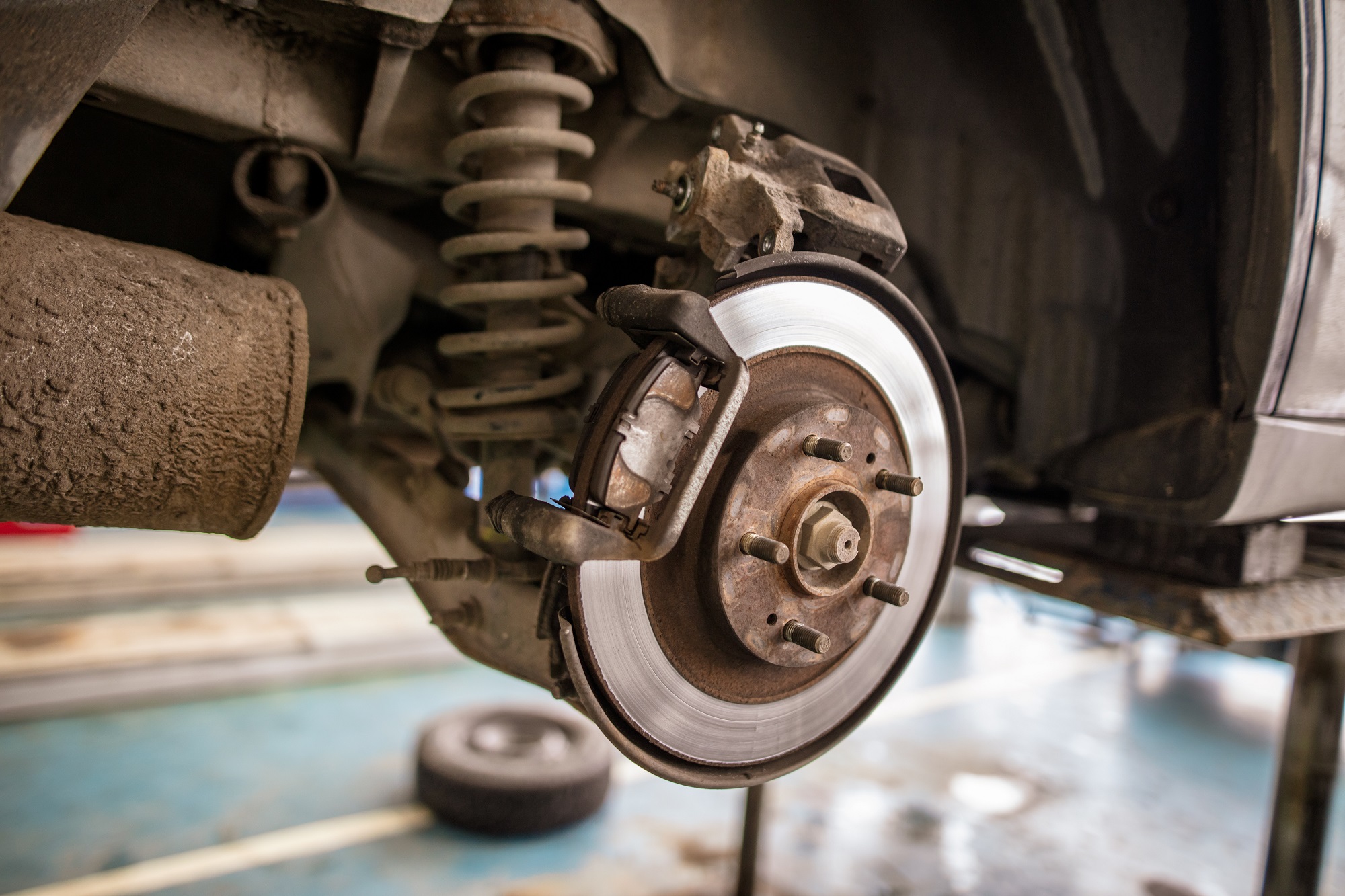
The braking system relies on hydraulic pressure to transfer force from the brake pedal to components at each wheel. When the pedal is pressed, brake fluid moves through the system and activates components such as the brake caliper or brake shoes. If pressure gradually falls when the system should be holding it, there may be an internal problem even when no fluid is visible beneath the vehicle.
This is where pressure decay becomes useful. A technician can apply controlled hydraulic pressure and observe whether that pressure remains stable. A noticeable decline may point toward an internal bypass, damaged seals, a failing master-cylinder circuit, or another hydraulic fault. The result gives an automotive repair professional a better starting point than simply replacing brake parts based on symptoms.
People Also Ask: How Do Technicians Know If Uneven Braking Is Caused By Hydraulic Pressure? They compare pressure behavior and inspect related braking components to determine whether fluid delivery is consistent across the system.
What Can Drivers Learn from the Way Their Brakes Behave?
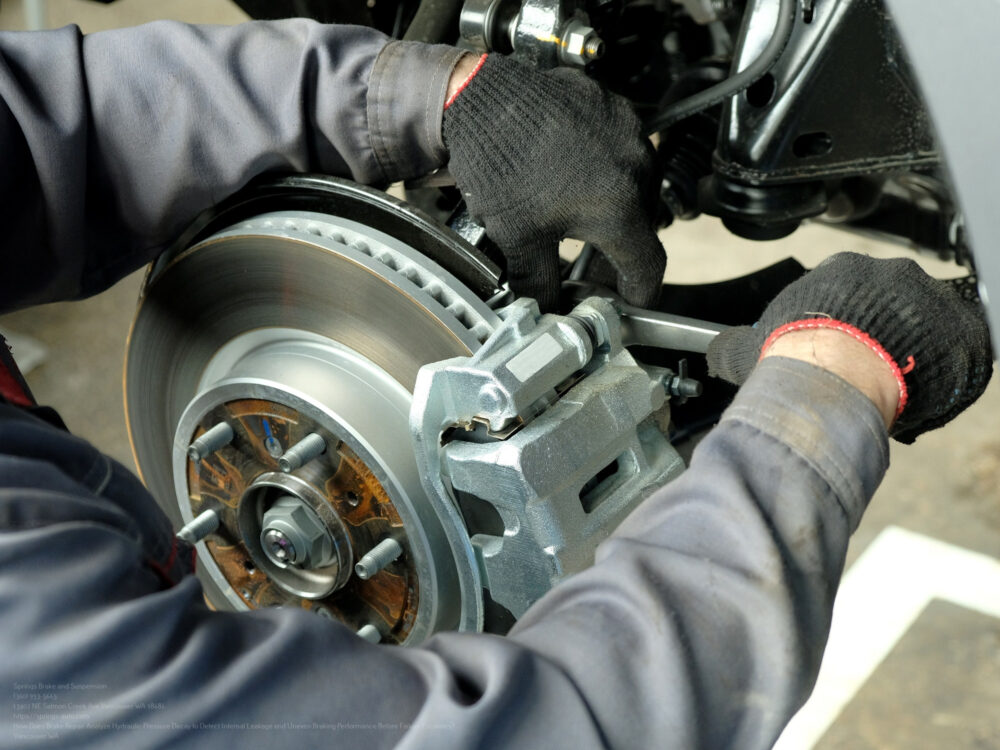
Drivers often notice early warning signs before a serious brake failure occurs. A vehicle that pulls during braking, produces unusual noises, develops a soft or sinking pedal, or takes longer to stop deserves attention. So does a brake warning light or ABS light that remains illuminated.
One practical lesson is not to judge the condition of the brakes solely by how much material remains on the brake pads. A vehicle can have acceptable pad thickness while still experiencing hydraulic, caliper, hose, rotor, or fluid-related problems. Likewise, excessive brake dust on one wheel may indicate uneven component operation rather than ordinary wear.
The National Highway Traffic Safety Administration provides consumer guidance on brake equipment and safety, reinforcing the importance of addressing braking problems rather than postponing inspection.
Springs Brake and Suspension helps local drivers approach these concerns with a broader view of vehicle safety. Its focus on brake repair, suspension service, wheel alignment, lift kit installation, and power steering repair allows technicians to consider related mechanical conditions when they affect vehicle performance.
Need Reliable Brake Repair?
Contact Springs Brake and Suspension today for professional service and dependable stopping performance.
6 Common Problems that Can Hide Behind Uneven Braking
Uneven braking doesn’t always begin with a dramatic symptom. A vehicle may gradually pull to one side, develop a softer brake pedal, produce unusual brake dust, or require more pedal effort before the driver realizes something has changed. Unevenly worn brake pads, damaged brake hoses, sticking brake calipers, contaminated brake fluid, and worn brake rotors can all affect how force is transmitted to the wheels.
Another common issue is assuming that replacing only the front pads will solve every braking concern. A complete brake check considers the condition of the front pads, rear brake shoes where applicable, brake rotors, caliper operation, hydraulic circuits, and other brake system components. If the underlying cause isn’t identified, a vehicle may continue showing inconsistent stopping performance after a brake job.
For motorists researching brake repair in Vancouver WA, Springs Brake and Suspension takes a diagnostic approach rather than treating every braking complaint as a simple brake pad or shoe replacement. A proper inspection can determine whether the vehicle needs rotor inspection, rotor resurfacing, rotor replacement, caliper service, brake fluid flush, or another appropriate repair.
What Does Pressure Decay Reveal that a Routine Brake Check May Miss?
A routine visual inspection can reveal worn pads, damaged rotors, leaking hoses, or other obvious deterioration, but hydraulic testing assesses how the system behaves under pressure. That distinction matters because an internal leak may not leave fluid on the ground or create an immediately visible warning sign.
Suppose a driver notices that the brake pedal slowly moves farther toward the floor while maintaining pressure. That symptom can indicate a hydraulic concern, although other causes are possible. A technician can combine pressure testing with a complete brake inspection to determine whether the issue involves the master cylinder, brake fluid, hoses, calipers, or another part of the braking system.
Springs Brake and Suspension uses this type of diagnostic thinking to help drivers avoid unnecessary brake jobs. The goal isn’t simply to replace a component. It’s to understand why the stopping performance changed and to correct the problem before it significantly affects safety.
Why Better Diagnosis Usually Beats Guesswork at the Repair Shop
Hydraulic pressure decay testing isn’t about adding unnecessary complexity to a brake job. It’s about gathering useful evidence before deciding which brake parts need attention. That can help reduce the risk of replacing components that aren’t responsible for the original symptom.
Springs Brake and Suspension also backs its work with a 3-year/36,000-mile parts and labor warranty, giving customers additional confidence in professionally completed repairs. For drivers who want dependable auto service without relying on trial and error, accurate diagnosis is an important part of protecting both safety and long-term vehicle value.
What Should Vancouver Drivers Remember Before Their Next Brake Service?
Hydraulic pressure decay is valuable because it can expose internal problems that aren’t always visible during a basic inspection. When pressure isn’t stable, technicians can investigate potential internal leaks, damaged seals, brake hose issues, caliper faults, fluid concerns, or other braking system problems before symptoms worsen.
Drivers should also pay attention to changes in pedal feel, stopping distance, vehicle direction during braking, brake dust, dashboard warning lights, and unusual noises. Combining those observations with a complete brake inspection gives certified technicians more information to determine whether the vehicle needs brake replacement, rotor work, caliper service, fluid service, or another repair.
For drivers seeking dependable brake repair in Vancouver WA, Springs Brake and Suspension provides professional diagnostics focused on restoring consistent braking performance and dependable stopping power.
Why Springs Brake And Suspension is a Smart Choice for Brake Repair
We at Springs Brake and Suspension provide our customers with the best solutions by focusing on accurate diagnosis, dependable workmanship, and honest recommendations. Our certified technicians carefully examine braking concerns so customers aren’t left guessing about what is causing uneven stopping, hydraulic pressure loss, or changes in brake pedal behavior.
We showcase our commitment to quality through professional brake inspections and repair services designed around the vehicle’s actual condition. We also support qualifying work with a 3-year/36,000-mile parts-and-labor warranty, giving drivers added confidence after service.
If unusual braking behavior appears, don’t wait for the problem to escalate. Schedule Service with Springs Brake and Suspension for professional brake repair and inspection in Vancouver, WA. For dependable stopping performance and trusted brake repair in Vancouver WA, contact Springs Brake and Suspension today.
Auto Repair Services We Provide
- Alignment Shop in Vancouver, WA: Professional wheel alignment services to ensure smooth handling, extended tire life, and proper steering response.
- Lift Kit Installation in Vancouver, WA: Professional lift and leveling kit installations designed for modern trucks and SUVs to enhance off-road capability and utility.
- Power Steering Repair in Vancouver, WA: Professional power steering diagnostics and repairs to restore smooth, responsive steering and safe vehicle control.
- Suspension Service in Vancouver, WA: Professional suspension diagnostics and repairs to restore ride comfort, improve stability, and ensure safe, controlled handling on every drive.
Need Reliable Brake Repair?
Contact Springs Brake and Suspension today for professional service and dependable stopping performance.
